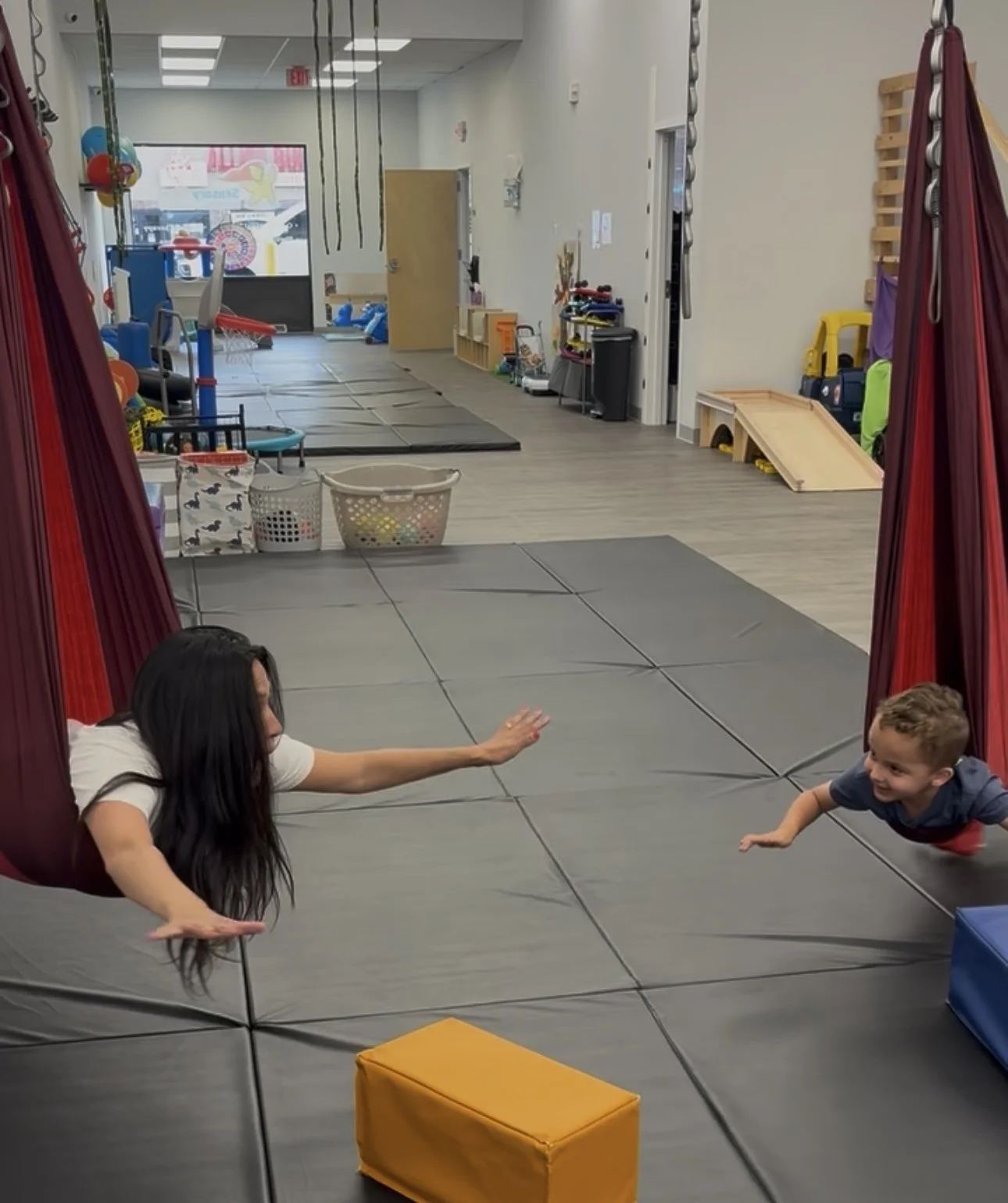
A sensory stars therapist with a client swinging together to knock down colorful blocks. This snapshot captures confidence, connection, and the regulation supports we have that happen every day at Sensory Stars Pediatric Therapy.
A Sensory Stars Pediatric Therapy Perspective
At Sensory Stars Pediatric Therapy, we believe that meaningful communication grows out of connection, regulation, and play. Children learn language best when their bodies feel organized, their nervous systems feel safe, and their interests are respected. This is why child-led, sensory-based approaches are such a powerful foundation for speech therapy.
Rather than expecting children to sit still, attend on demand, or perform language tasks before they are ready, we meet them where they are developmentally. When movement, sensory input, and motivation come first, communication follows naturally.
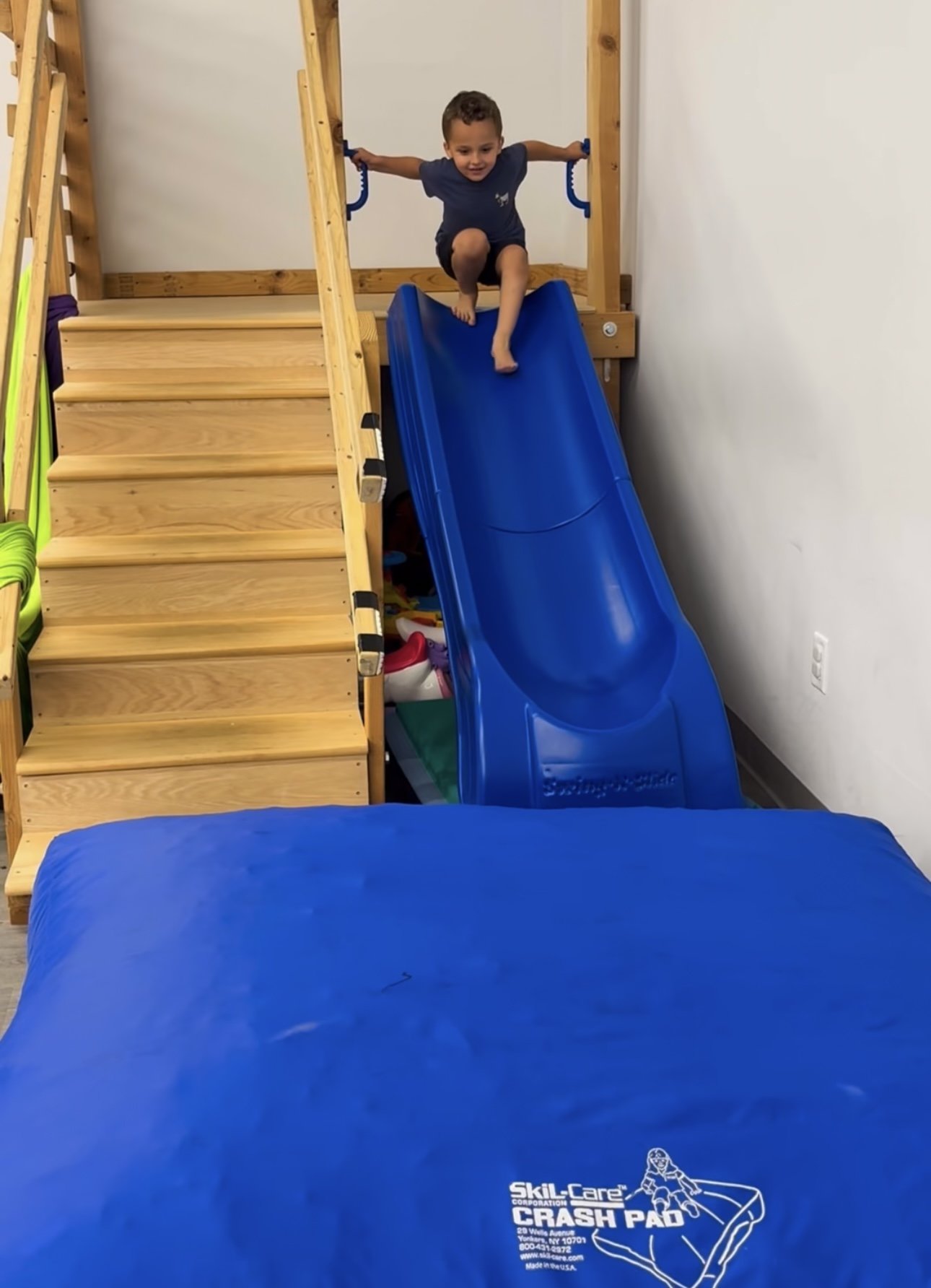
While sliding, our speech therapists naturally target core vocabulary such as up, down, go, and more. Children practice following directions, answering simple questions, and taking turns during this movement-based play. The sensory input from sliding supports regulation and attention, helping children stay engaged. This allows for meaningful back-and-forth communication through requesting, commenting, and shared interaction.
Regulation Is the Foundation for Communication
Speech and language live in the brain, but the brain cannot fully engage when the body is dysregulated. Many children who come to speech therapy at Sensory Stars experience sensory processing differences, poor postural control, or difficulty maintaining an optimal level of alertness. When their nervous systems are overwhelmed or under-responsive, language access becomes limited.
Sensory-based activities such as swinging, climbing, deep pressure, crashing, or heavy work help regulate the nervous system. Once a child feels calm and organized, they are more available for listening, engaging, and communicating. In practice, we often see increased vocalizations, clearer speech, and more intentional communication after movement-based play.
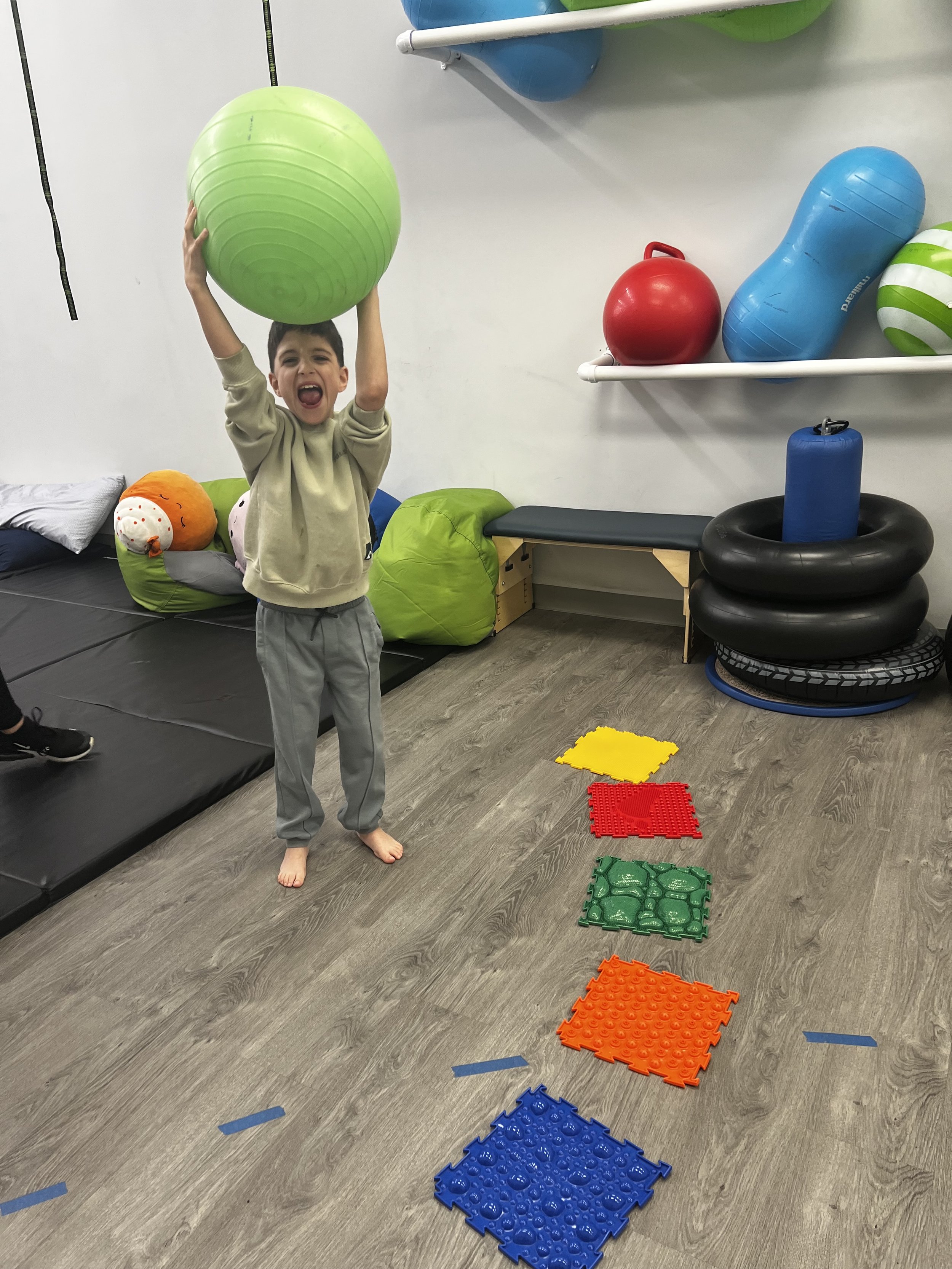
During this activity, the child bounces a ball while following verbal directions to match colors on the floor. The task supports receptive language, attention, and turn-taking while incorporating movement to keep the child engaged.
Child-Led Play Builds True Motivation to Communicate
When therapy follows a child’s interests, communication becomes meaningful instead of forced. A child who is choosing the activity is naturally motivated to request, comment, protest, and share enjoyment. These moments create authentic reasons to use language.
Child-led sessions support spontaneous speech rather than scripted or prompted responses. The child communicates because they want to be understood, not because they are being asked to perform. This leads to stronger carryover and more functional communication across environments.
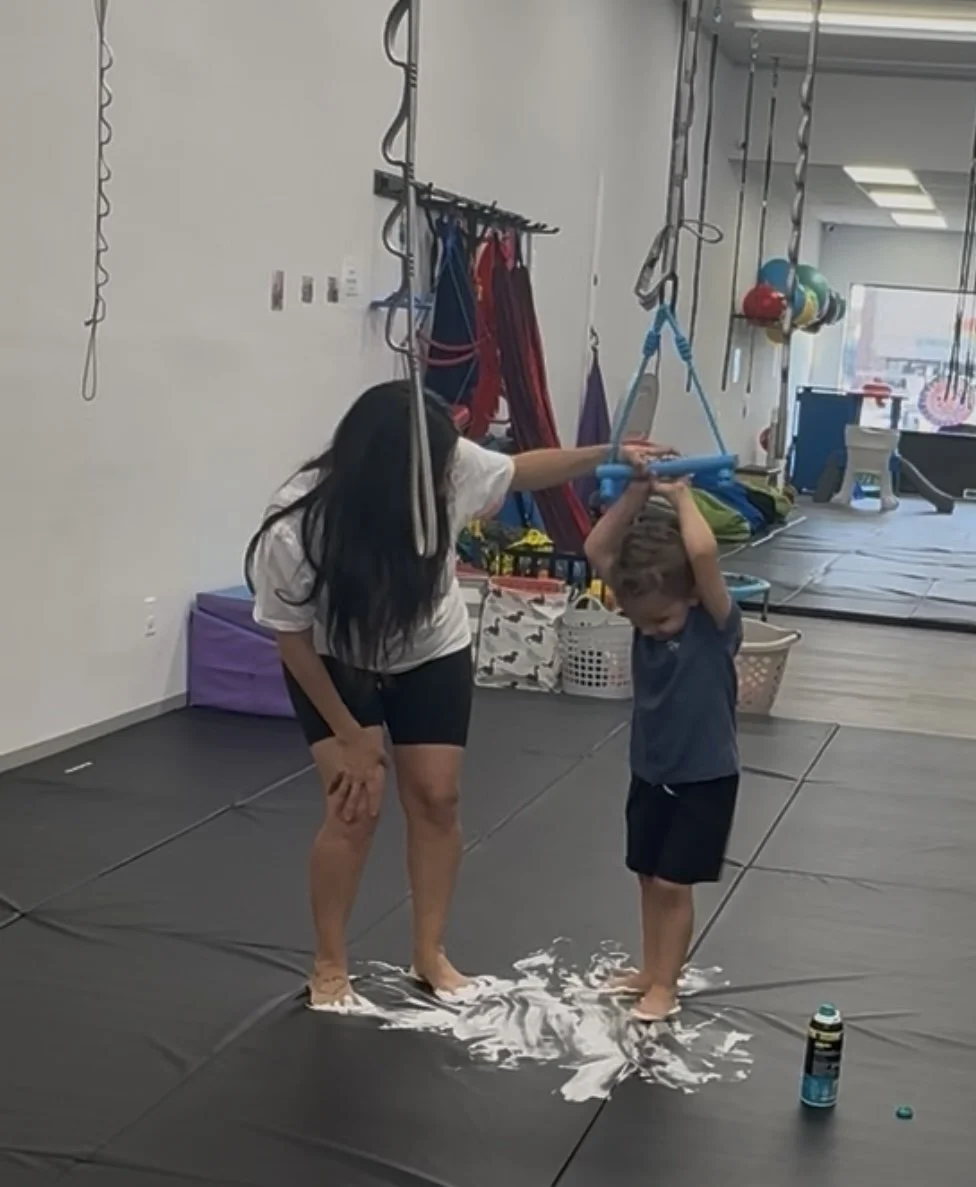
Through swinging and playful tactile exploration, the therapist supports the child’s ability to stay regulated and engaged. This allows for meaningful communication through requesting, commenting, and back-and-forth interaction.
Sensory Play Creates Natural Language Opportunities
Sensory play is rich with built-in communication opportunities. A swing that suddenly stops invites a request for more. A tunnel encourages asking for help. Bubbles naturally elicit comments, anticipation, and shared excitement. These moments allow therapists to model language that is functional, motivating, and directly tied to the child’s experience.
Through sensory-based play, children practice core vocabulary, action words, turn-taking, joint attention, and cause-and-effect communication in ways that feel natural and enjoyable.
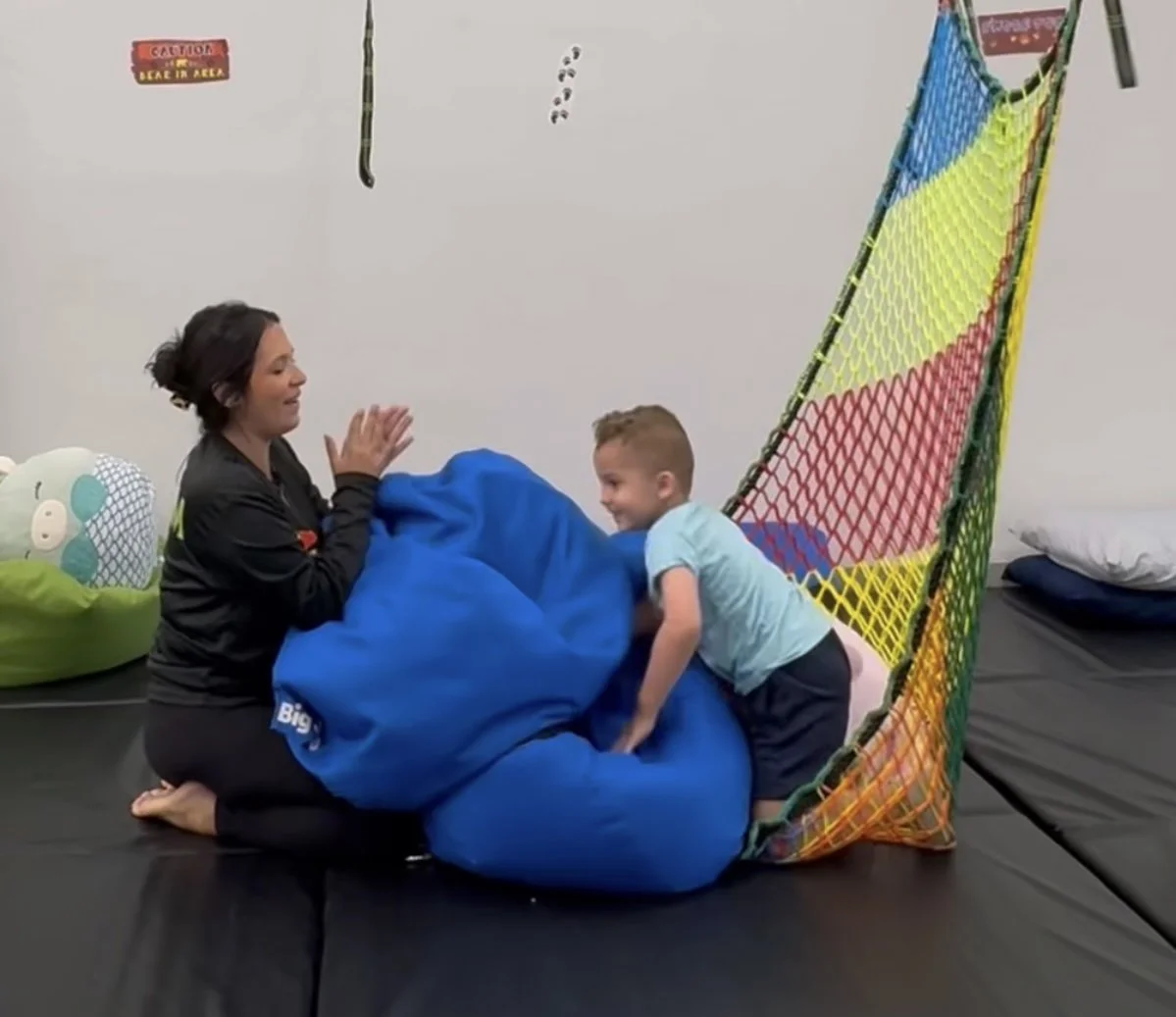
We often get more than just sitting at the table because movement and play help children feel regulated and engaged. When a child’s body is organized, their brain is more available for communication. This allows language to emerge naturally through motivation, interaction, and shared experiences rather than pressure.
Connection and Shared Joy Drive Language Growth
Language develops through relationships. Sensory-rich, child-led play fosters shared joy, eye contact without pressure, and reciprocal interaction. These early social communication skills form the foundation for later conversation, problem-solving, and pragmatic language.
When a child feels connected and understood, they are more willing to take risks with speech and language. This emotional safety is a key driver of progress.
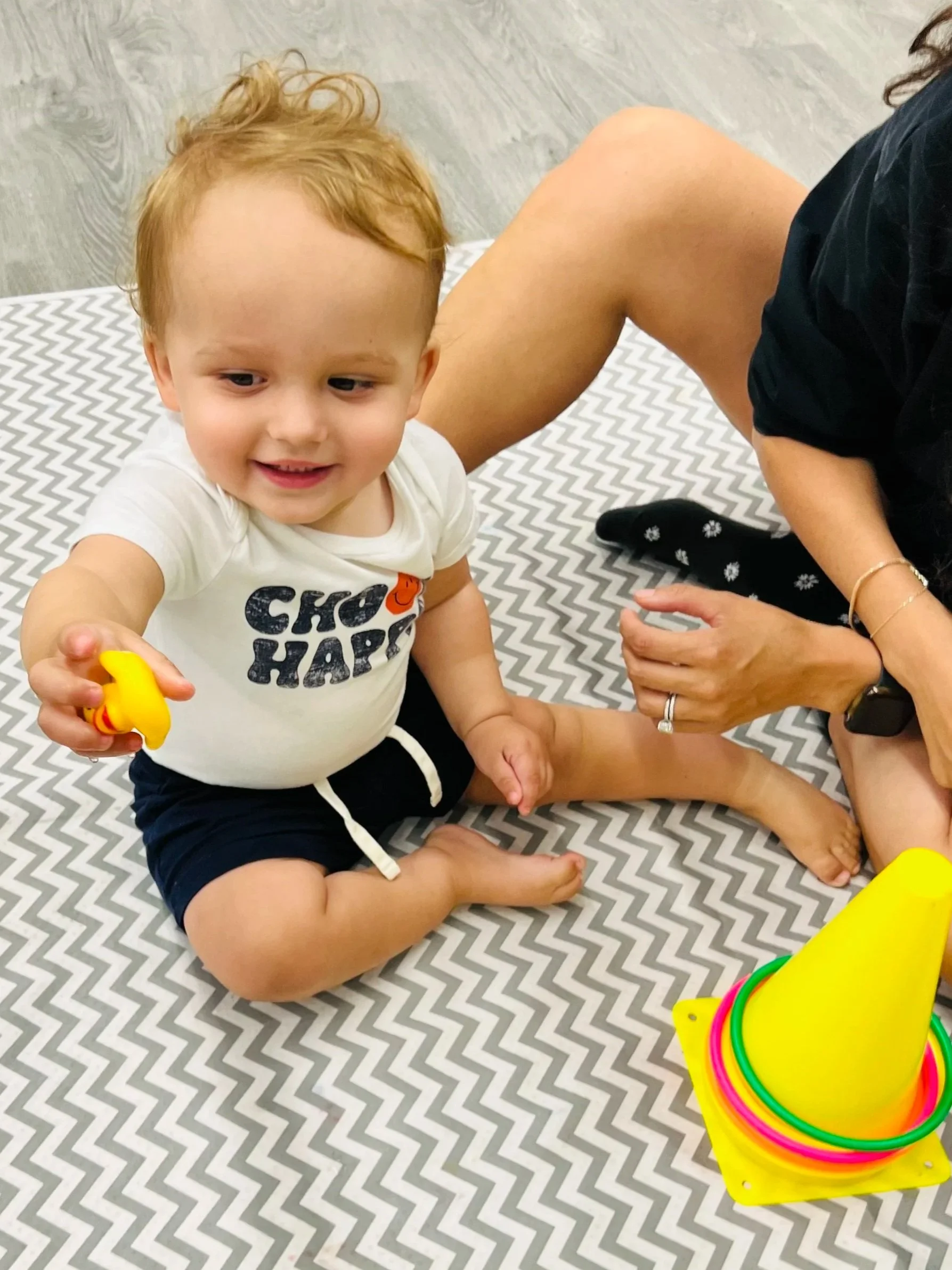
Supporting Different Language Learners
Many children process language in chunks or phrases rather than single words. Child-led, sensory-based therapy allows therapists to model natural language in meaningful contexts, such as ready set go or let’s do it again. Over time, children begin to use these phrases more flexibly and break them down as their language system matures.
This approach respects the child’s language development style while supporting long-term growth.
Why Our Speech Therapy Goes Beyond the Table
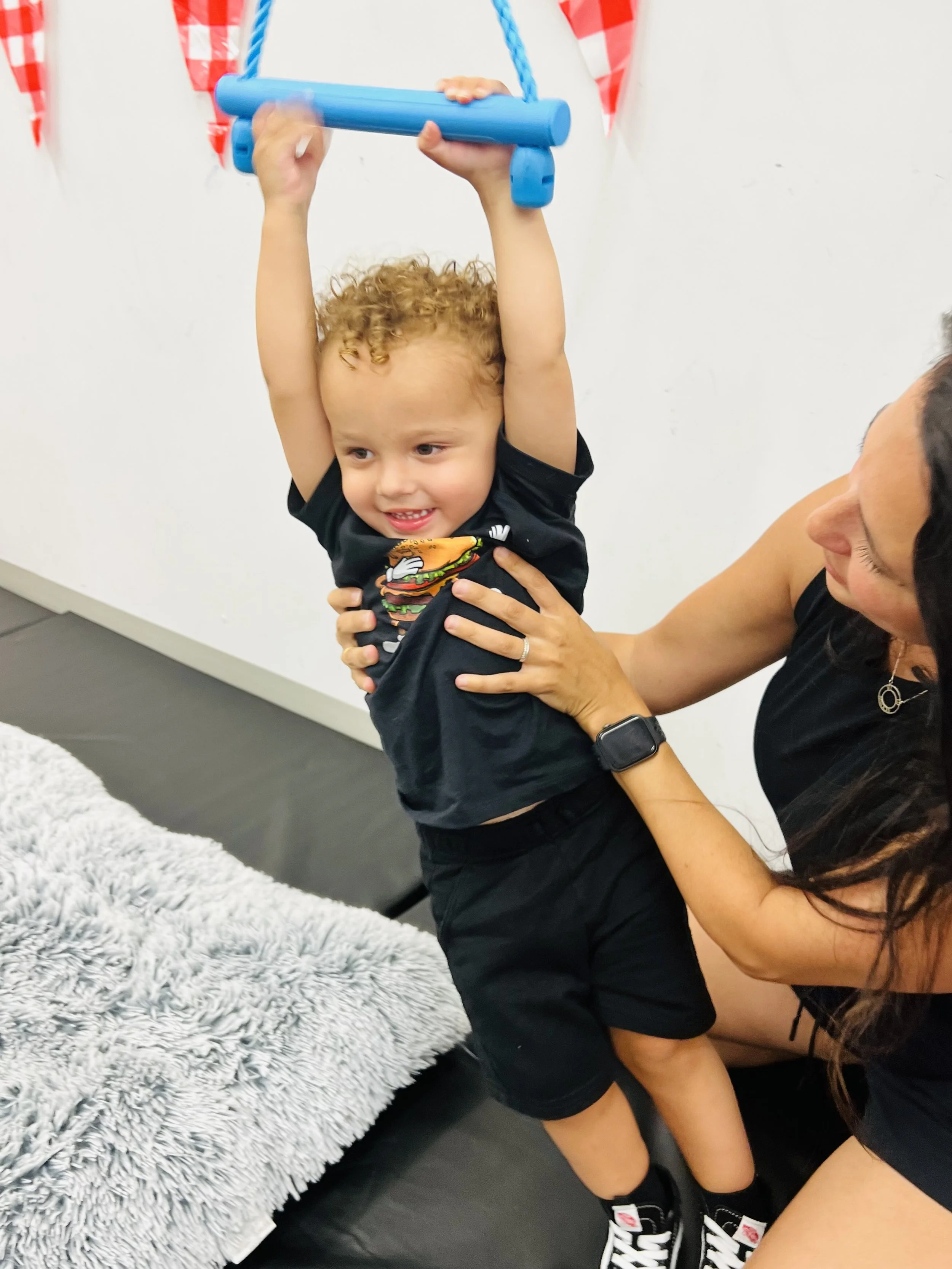
At Sensory Stars, our speech therapists recognize how sensory processing and regulation impact communication. SLPs thoughtfully incorporate movement, play, and sensory supports into their sessions when needed, using the environment to help children stay engaged and ready to communicate.
By offering speech therapy beyond a traditional table-based approach, we are able to support attention, participation, and meaningful language use in ways that feel natural and motivating. This allows speech and language goals to be addressed through real experiences, helping children build skills that carry over into daily life.
Our Philosophy in Action
Child-led, sensory-based speech therapy is not about doing less. It is about doing what matters most. By prioritizing regulation, connection, and motivation, we help children build communication skills that are functional, meaningful, and lasting.